Sustainability and The Supply Chain
This month’s blog article takes a look at the supply chain and the role sustainability plays within that system. The conversation is guided by 8 specific questions and is presented in a simple Q & A format. The questions were provided by my colleague, Brody, at Performance Operations.
1) In the context of the supply chain, what is sustainability?
Sustainability in the context of supply chain is about managing resources responsibly, minimizing environmental impacts and maintaining socially responsible labor practices.
The concept of Resource Management
refers to managing how we consume and interact with water, forests (timber), non-renewable fuels (oil & gas), food systems (ocean fisheries, farms, etc.) and various other raw materials (metals, minerals, etc.).
The notion of Minimizing Environmental Impacts
relates to how the supply chain affects the surrounding environment (air, land, water). Examples include pollution (air and water quality) and greenhouse gas emissions (climate change).
Finally, Socially Responsible Labor Practices
refer to worker health and safety, providing fair and livable wages, and preventing unethical labor practices (such as child labor) within the supply chain.
2) What, historically, has been the relationship between sustainability and supply chain? What about in the United States?
The historical relationship between sustainability and the supply chain has been a long and complicated one. Sustainability began to play a bigger part in the supply chain during the last few decades of the 1900s.
Certifications such as Fair Trade emerged, which recognizes companies using fair and ethical labor practices, primarily overseas. Fair trade and other similar certifications were created as a result of unethical labor practices, with headline stories often focused on U.S. based companies with production overseas.
In addition to unethical labor practices, other sustainability stories related to the supply chain highlighted environmental issues. For example, companies (U.S. and abroad) at times dumped toxic effluent directly into streams and rivers.
Events like these brought sustainable supply chain issues into the public eye, and began to spur change.
Recent initiatives such as the United Nations Sustainable Development Goals(SDGs, 2015) have solidified sustainability on the global agenda. Additionally, many of the Sustainable Development Goals overlap closely with the supply chain, such as goal #12: responsible consumption and production, which focuses on the way we produce and consume goods and resources.
There is still a long way to go when it comes to sustainability within the supply chain. However, many industry leaders, both in the U.S. and abroad, have started to make sustainability a top priority. They are setting a good example for the rest to follow.
3) Acknowledging predicted changes in population, consumption, and climate change, will these factors impact the supply chain industry in the next 5 to 10 years? If so, how?
Changes in population, consumption and climate change will absolutely affect the supply chain industry in the coming years. A growing population paired with a depleting supply of natural resources and an increasingly volatile climate will lead to increased pressure on global supply chains to embrace sustainability.
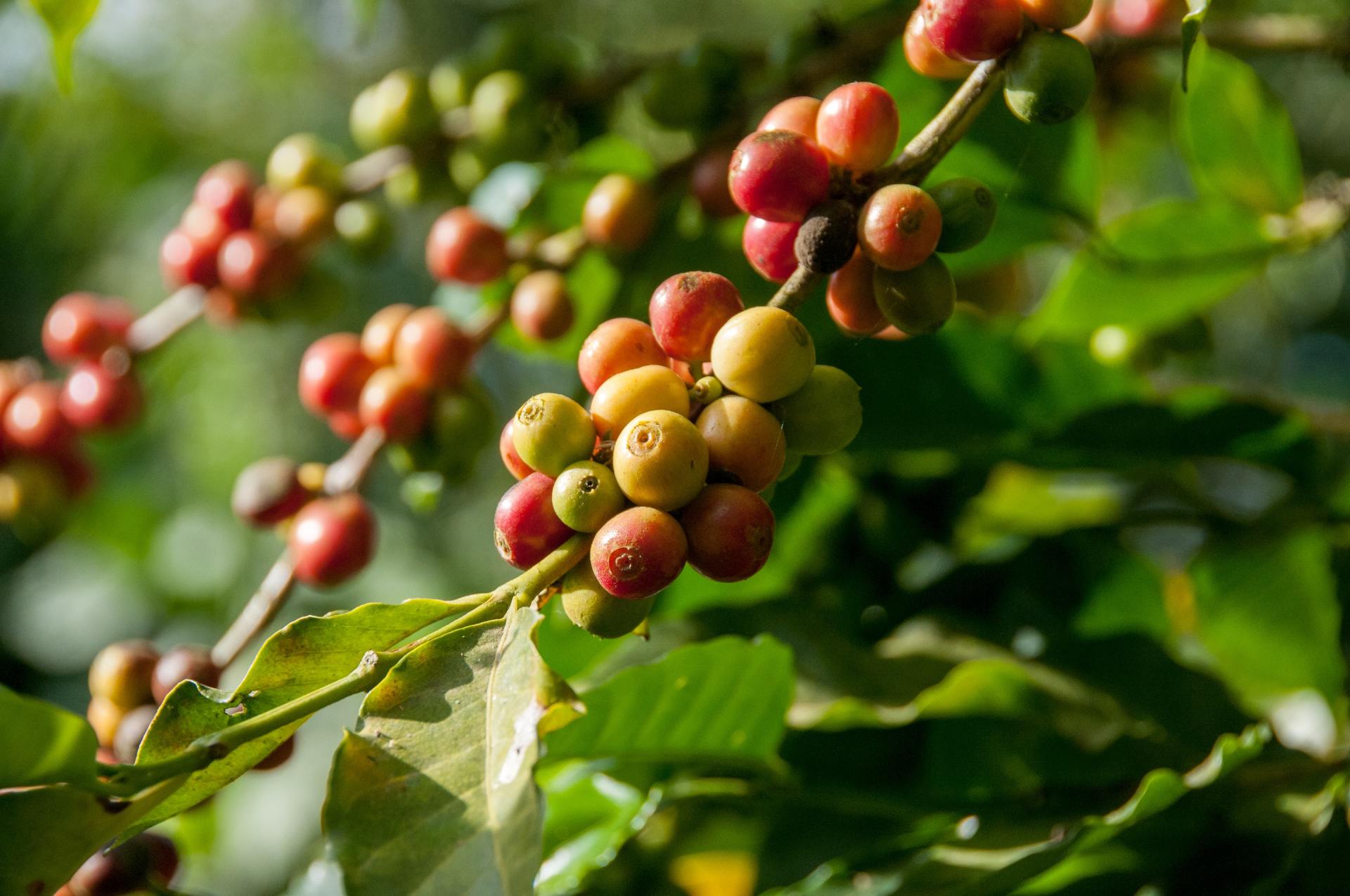
Many industries have supply chains that essentially begin in a field, (e.g. coffee, tea, wine, almonds, tomatoes, rice, etc.) which makes them especially vulnerable to issues like climate change. Supply chain improvement in these industries will be key to feeding a growing population and maintaining the integrity of our food systems.
In the coming years, companies will be held more and more accountable for impacts related to their supply chain and business leaders are increasingly being called upon to take action. They are being asked to not only stop contributing to the problem, but to actually begin solving the problem. Innovative business leaders are uniquely positioned to help solve some of our world’s greatest challenges while still generating wealth for their companies and their stakeholders (employees, customers, investors, communities).
4) Are companies expected to lose growth potential or profits from climate change and other sustainability issues?
Yes, possibly, although it largely depends on whether the companies in question take a proactive or reactive approach to these issues.
Making changes often costs money. However, companies who take a proactive approach and implement sustainable practices in their supply chain early on are poised to grow both market share and profits. Proactive companies who incorporate sustainability into their long-term growth strategy often see these obstacles as opportunities.
Companies who take a reactive approach will be more likely to struggle. These companies will constantly be fighting to keep up with regulations, and doing what they can to skirt these issues for as long as possible. Such companies might survive for a while, but their business model is inconsistent with the health and wellbeing of our planet and its inhabitants. Eventually, reactive companies will fall behind, and their growth and profitability will begin to stagnate.
5) Besides loss aversion, what gains could companies hope to realize by pushing sustainable practices in their supply chain?
Companies who prioritize sustainability within their supply chain can strengthen relationships with all of their stakeholders (investors, customers, employees and communities). Companies who implement sustainability initiatives may also, in the process, create a healthier organizational culture, develop greater customer loyalty, gain access to new markets, and increase profitability, while simultaneously reducing risk and protecting the health and well being of the communities they serve.
6) In the next 5 to 10 years, how will consumer and government expectations for a business’s sustainability practices develop? What metrics for sustainability in supply chain will become crucial to exceed these expectations?
Over the next 5 to 10 years, consumers and governments will have greater and greater expectations for companies to implement sustainable practices. Companies will be expected to provide completely transparent supply chain metrics, including, but not limited to, metrics related to: greenhouse gas emissions, water usage, electricity usage, worker health and safety, livable wages, and communities served or impacted. Many leading companies are already tracking for these metrics, and such companies will likely continue to exceed expectations in the years to come.
7) How can supply chain professionals start the conversation of sustainability initiatives within the C-suite?
Supply chain professionals can start the conversation of sustainability initiatives within the C-suite by focusing on the strategic benefits associated with adopting sustainable practices. As mentioned before, benefits include risk management, accessing new markets, increasing customer loyalty, creating a healthier organizational culture, generating greater return for investors and increasing profitability. In short, being one of the proactive companies can help you gain a competitive advantage.
8) How can supply chain professionals constructively start the conversation between producer and supplier, and make sustainability a joint initiative across the supply chain?
Supply chain professionals can constructively start the conversation between producer and supplier by highlighting mutual benefits associated with adopting sustainable practices. Sustainability provides unique circumstances for producers and suppliers to create innovative partnerships that lead to new growth opportunities. Partnerships like these are the ones that enable wealth creation through innovation.
The electrification of vehicle fleets, warehousing automation, or the adoption of carbon neutral technologies are all examples of innovative change that could offer benefits to producers and suppliers.
Conclusion
I realize the scope of this article is very broad, and I’ve only just scratched the surface of sustainability within the supply chain. My objective was to highlight major trends, risks, and opportunities for companies operating within this space, but if you have comments or would like to contribute to the conversation, please send me an email or leave a comment below.
For additional reading and detailed statistics, McKinsey & Company wrote a great piece on supply chains. Find it here: Starting at the source: Sustainability in supply chains
If you liked what you read and want to learn more, please sign up for our email list
and share it with others, or follow us on instagram
to get notified of our newest articles and other updates.